Interior House Painting
We repaint the inside of homes around Exton room by room, fixing nail pops, cracked plaster and scuffed builder paint before any color goes on. You...
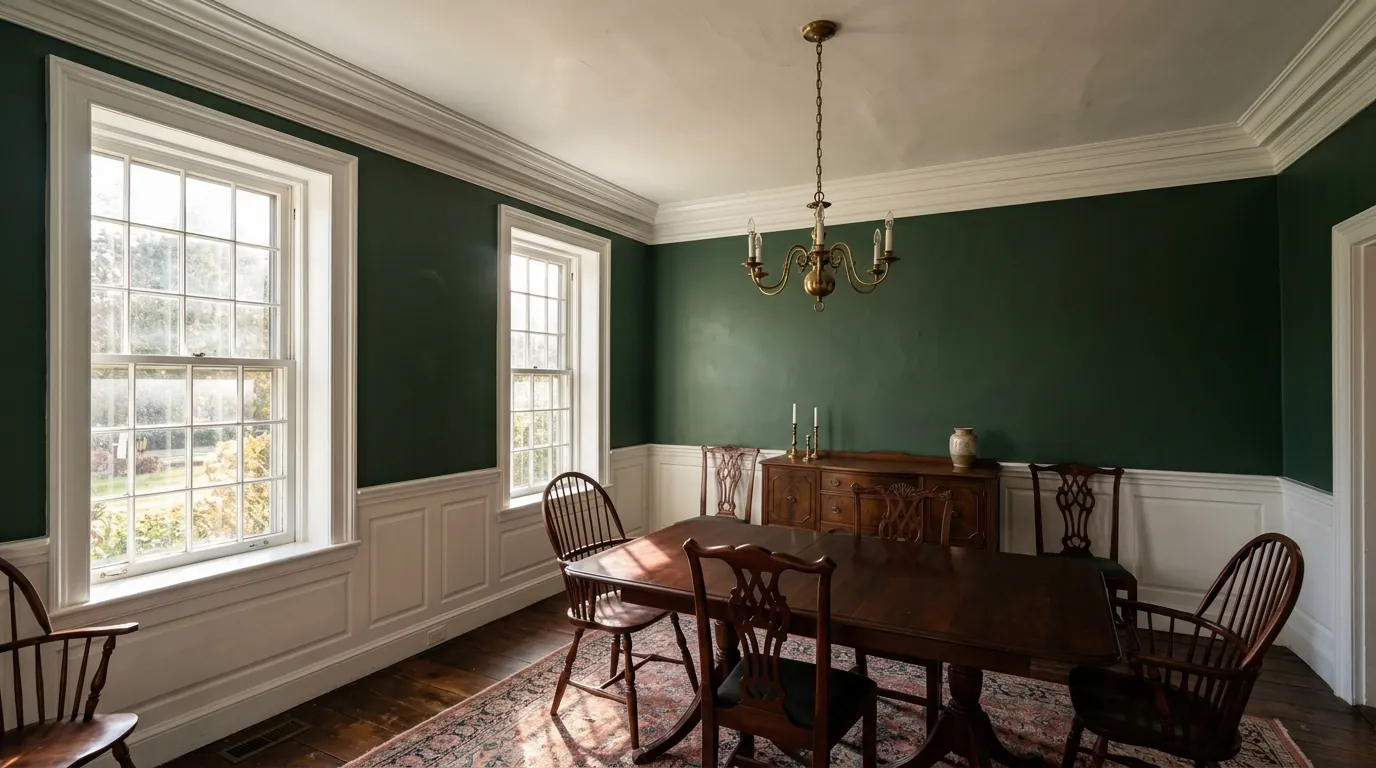
We repaint baseboards, door and window casings, crown molding and wainscoting in homes around Exton. Every joint is caulked, every nail hole filled and the old finish properly prepped, so the new enamel lays out smooth and stays stuck to what's underneath.
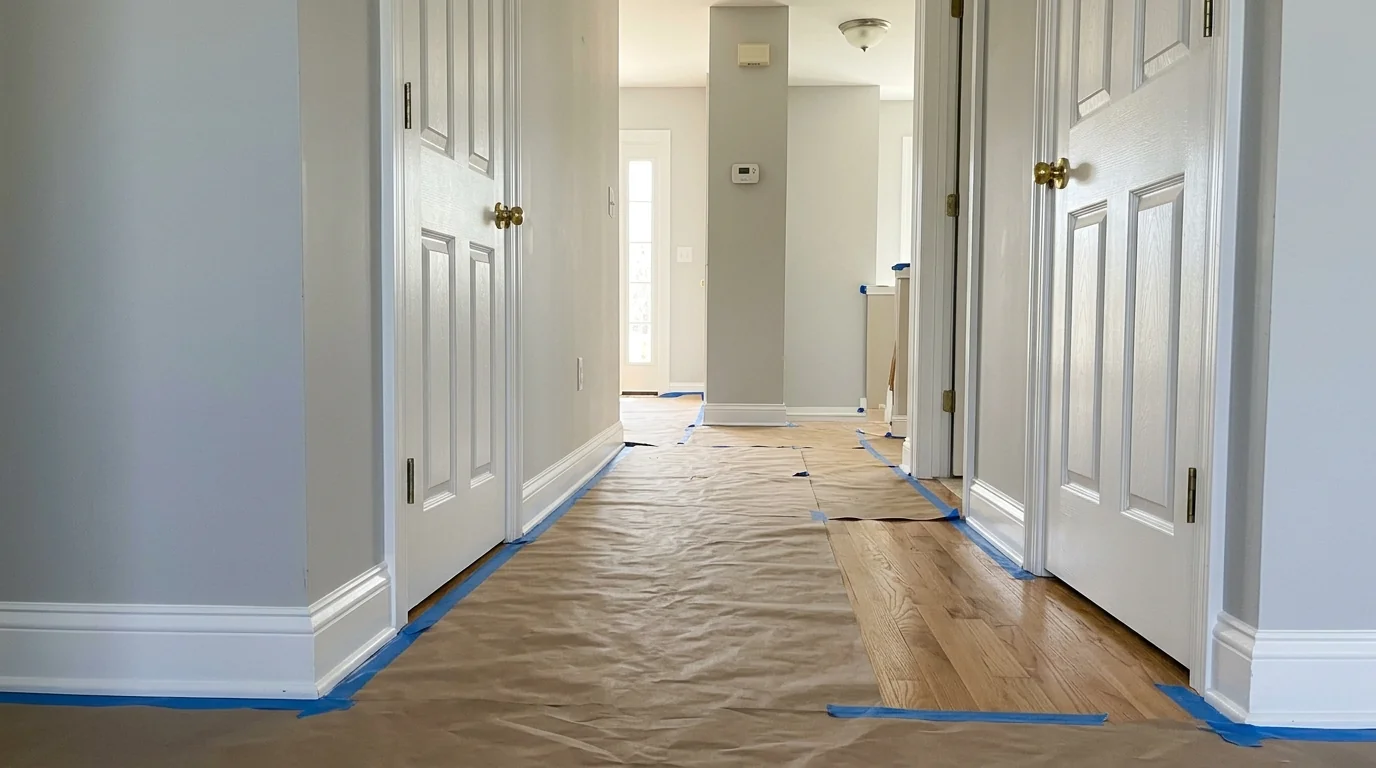
Trim painting means testing the old finish, cleaning and sanding it, filling nail holes, caulking joints and brushing two coats of a hard enamel. Around Exton one room of baseboards and door casings usually runs $345 to $645, and a full trim package for a four-bedroom colonial with crown and wainscoting typically lands between $4,380 and $7,915.
Trim takes more hands-on time than any wall in the house. A 2000s colonial around Exton can have well over a thousand linear feet of baseboard, casing, crown and chair rail, much of it finger-jointed pine or MDF with a thin factory primer and one coat of builder semi-gloss. After twenty years of vacuums and kids' toys, those boards are chipped at the corners, and the caulk joints along the walls have cracked open.
Older homes go the other way. Farmhouse and 1950s colonial trim often carries many layers of oil paint, yellowed and alligatored, and the first coats were frequently lead-based. Some 1970s and 1980s homes still have their original dark-stained trim that the owners want painted white. Each starting point needs a different primer, and getting it wrong is how trim ends up peeling. Every pre-1978 home gets lead-safe prep on the trim.
Not directly. Latex enamel brushed straight onto glossy oil paint looks fine for a while, then scratches off with a fingernail and peels in strips from door casings. We test every older finish with denatured alcohol on a rag. If it's oil, we clean it with a degreaser, scuff-sand the gloss and apply a bonding primer. Then a waterborne alkyd enamel goes on, which levels like oil but doesn't yellow in rooms that get little sunlight.
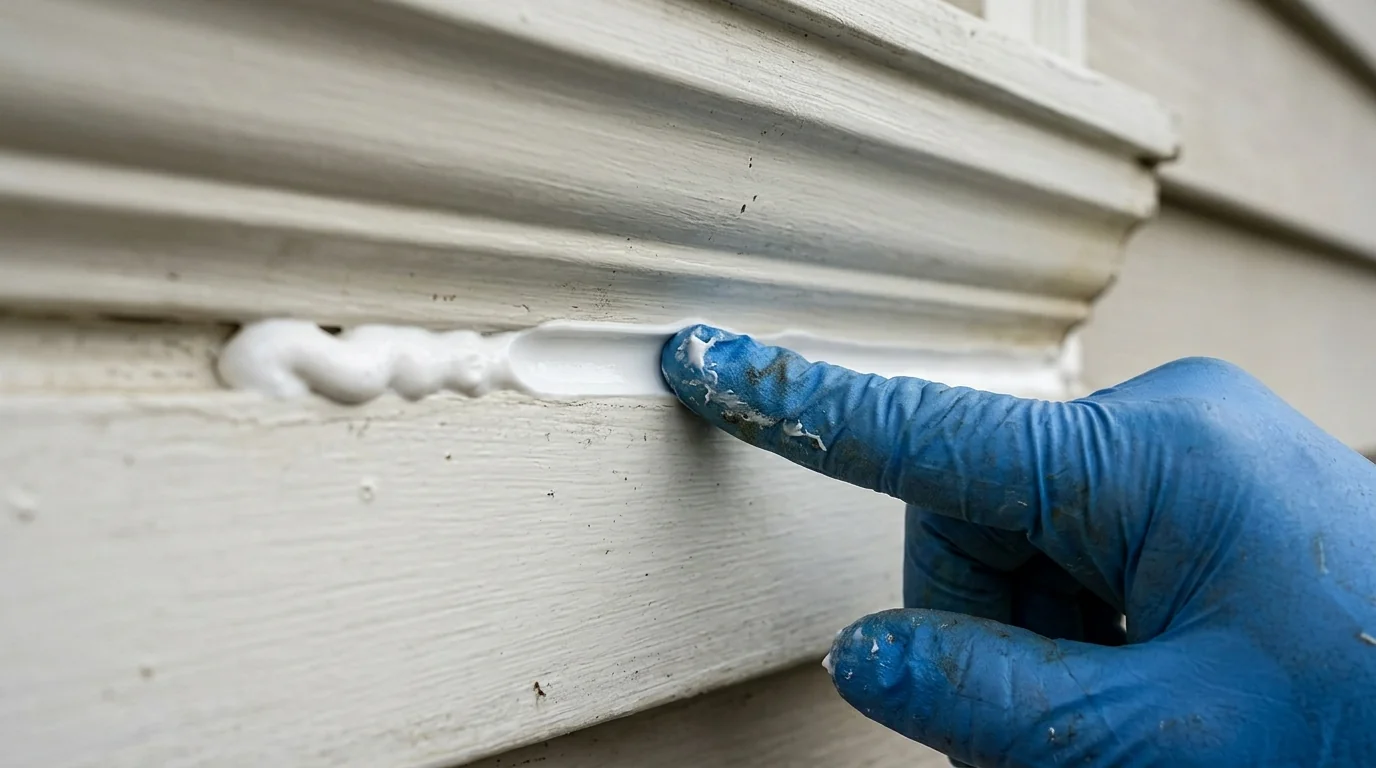
The gap between baseboard and wall, and between casing and drywall, opens and closes as the house dries out in winter and swells in humid summers. Cracked caulk shows up as a dark shadow line that makes even fresh paint look sloppy. We dig out failed caulk, run a new bead of a flexible paintable sealant, and tool it smooth before priming. Nail holes are filled twice, since filler shrinks as it dries.
Converting stained and varnished oak or pine trim is a common request in split-levels and colonials from the 1970s and 1980s. The varnish is scuffed, then a stain-blocking primer goes on, because tannins in oak and knots in pine will bleed yellow through white paint otherwise. Open oak grain still shows a little texture under paint, which most people like. If you want the walls refreshed in the same visit, we pair this with interior wall painting so each room is finished together.
MDF baseboards in mudrooms, laundry rooms and powder rooms soak up water from wet boots and mopping, then swell and crumble at the bottom edge. Paint won't fix a board that has turned soft. We cut out and replace short swollen sections, seal the bottom edge and cut ends with primer, and finish with a hard enamel that sheds water. Rooms with recurring water may do better with PVC baseboard, which takes paint well and can match the rest.
Vacuum cleaners and moving furniture chip the thin builder paint on outside corners, exposing white primer or bare MDF that soaks up dirt.
Dark gaps where the baseboard or casing meets the wall mean the caulk has split and pulled away, and it needs replacing before paint.
Old oil-based white trim turns cream or yellow in dim hallways and closets, and it clashes with bright modern whites on walls and doors.
If paint comes off casings in long ribbons, someone put latex over oil without a bonding primer, and the trim needs proper prep this time.
Dark-stained trim from the 1980s can make small rooms in split-levels feel heavy, and painting it brightens the whole room at once.
Baseboards in mudrooms and laundry rooms that have puffed up along the floor have absorbed water and need repair, not just another coat.
We check each room's trim for oil or latex with denatured alcohol, and on pre-1978 homes we test for lead before scraping or sanding anything. Then you get a written price.
Floors get taped paper along every baseboard, carpet edges are tucked and shielded, and a strip of tape protects freshly painted walls where they meet the trim.
Every piece is wiped with degreaser, loose paint is scraped back to a sound edge, and the surface is scuff-sanded so primer has something to grip.
Nail holes are filled twice and sanded, failed caulk is cut out and replaced, and the right primer goes on for oil, stained wood or bare MDF.
We brush trim by hand with a waterborne alkyd enamel, laying off each run in long strokes so the finish levels without brush marks or sags.
Each room is walked with a light held low to the floor to catch misses. Tape comes off, floors are vacuumed and touch-ups are done before we leave.
Trim prices around Exton depend on linear footage, profile and how much prep the existing finish needs. Plain colonial baseboard goes quickly, while built-up crown, raised panel wainscoting and window stools take much longer. Going from stained wood to white adds a primer coat. These ranges reflect typical 2026 jobs in Chester County homes. See our full price guide for other services.
| Job | Typical range |
|---|---|
| One room, baseboards and door casing | $345 to $645 |
| One room with two windows, full trim | $535 to $935 |
| Crown molding, per room | $285 to $585 |
| Dining room wainscoting and chair rail | $615 to $1,145 |
| Full trim, four-bedroom colonial | $4,380 to $7,915 |
Planning ranges for 2026, not quotes. The written price comes from a walkthrough. See every service side by side on the painting costs page.
We take on trim & baseboard painting in these towns across Chester, Delaware, Montgomery and Bucks counties. ZIP codes shown for each.
Semi-gloss is the traditional choice and wipes clean most easily, which matters on baseboards that take vacuum bumps. Satin looks softer and hides minor dents and wavy boards better. In most homes around Exton we suggest satin for trim in living spaces and semi-gloss in mudrooms, kitchens and bathrooms.
Yes. Charcoal, deep green or navy trim in a study or dining room can look sharp. Dark enamel shows dust and scuffs more than white, and it needs an extra coat over a tinted primer. We bring samples so you can judge it beside your floors and walls before deciding.
Yes. We pull furniture about three feet off the walls and cover it, which gives room to work along the baseboards. Built-in bookcases and heavy pieces stay in place and get masked, and we work around them carefully so nothing gets bumped or splattered.
The enamel feels dry within a few hours, but it stays soft enough to stick to furniture for several days. We suggest leaving pieces an inch or two off the baseboards for about a week. Full hardness takes three to four weeks, depending on humidity.
Almost never. Pulling baseboard cracks the old caulk, damages drywall and splits older pine. We paint trim in place with careful masking. The exception is a swollen or rotted section, which we replace and prime on all sides before it goes back on the wall.
It usually makes sense, since doors and casings sit side by side and an older door next to fresh trim will look yellow. Doing both in one visit shares the setup and protection. Our interior door service covers the panels, edges and hardware removal.
We repaint the inside of homes around Exton room by room, fixing nail pops, cracked plaster and scuffed builder paint before any color goes on. You...
We paint interior doors in homes around Exton, from molded six-panel builder doors to solid pine plank doors in old farmhouses. Each one is cleaned,...
If your house was built before 1978, there's a good chance some of its paint contains lead. That covers stone farmhouses, borough twins and many...
Original wood windows in Chester County farmhouses and borough homes can last another century if paint and glazing keep the water out. We scrape,...
Call any time. We will ask a few questions and set up a walkthrough at your home.