- Lead paint was banned for homes in 1978, so older houses often have it under newer coats.
- Intact lead paint is less risky than paint that's chipping, sanded or rubbing on windows.
- Federal rules require lead-safe work practices when painting disturbs paint in pre-1978 homes.
- Testing tells you where lead is, so prep can be planned around it.
Why so many homes around Exton and West Chester still have lead paint
Residential lead paint was banned in the United States in 1978, and before that it was common for decades, especially on trim, windows, doors and exteriors. Chester County has a large share of housing from before that date. West Chester's brick rows and Victorian twins, the older streets of Downingtown and Phoenixville, and stone farmhouses across the county may carry paint layers going back a century or more. Many 1950s to 1970s colonials and split-levels around Exton also had lead paint on trim and exterior wood.
Repainting over the years doesn't remove it. A typical older house might have a lead layer sealed under three or four later coats of latex. As long as those coats stay firmly stuck, exposure is limited. Wear and moisture change that. Window sashes rubbing in their tracks, doors scraping jambs, porch floors, and peeling exterior trim all release chips and dust. Young children are most at risk, because lead dust settles on floors and window sills within easy reach.
When painting turns old lead paint into a hazard
Painting prep is the moment lead becomes a real concern. Dry sanding, power sanding without dust collection, dry scraping and heat guns all break old paint into dust and chips. That dust is fine enough to drift through a house, settle into carpets and return vents, and stay there long after the painters leave. Open-flame burning and very hot heat guns can also release lead fumes. Those methods are prohibited or restricted under federal rules for paid work in pre-1978 homes, and for good reason.
Exteriors carry their own risk. Scraping a peeling porch or clapboard wall can drop chips into garden beds and play areas, where they mix into the soil. Pressure washing peeling lead paint without containment spreads chips across the yard and onto a neighbor's property. That's why we treat exterior prep on older homes with the same care as interior work, laying ground sheeting and collecting debris every day rather than at the end of the job.
What federal lead-safe rules require on a paint job
The EPA's Renovation, Repair and Painting rule covers paid work that disturbs painted surfaces in homes built before 1978. Generally, it applies when a job disturbs more than six square feet of paint per room inside, or more than twenty square feet outside, along with any window replacement or demolition. Before work starts, the homeowner should receive the EPA pamphlet called Renovate Right, which explains lead hazards. The work area has to be contained, and cleanup follows specific steps.
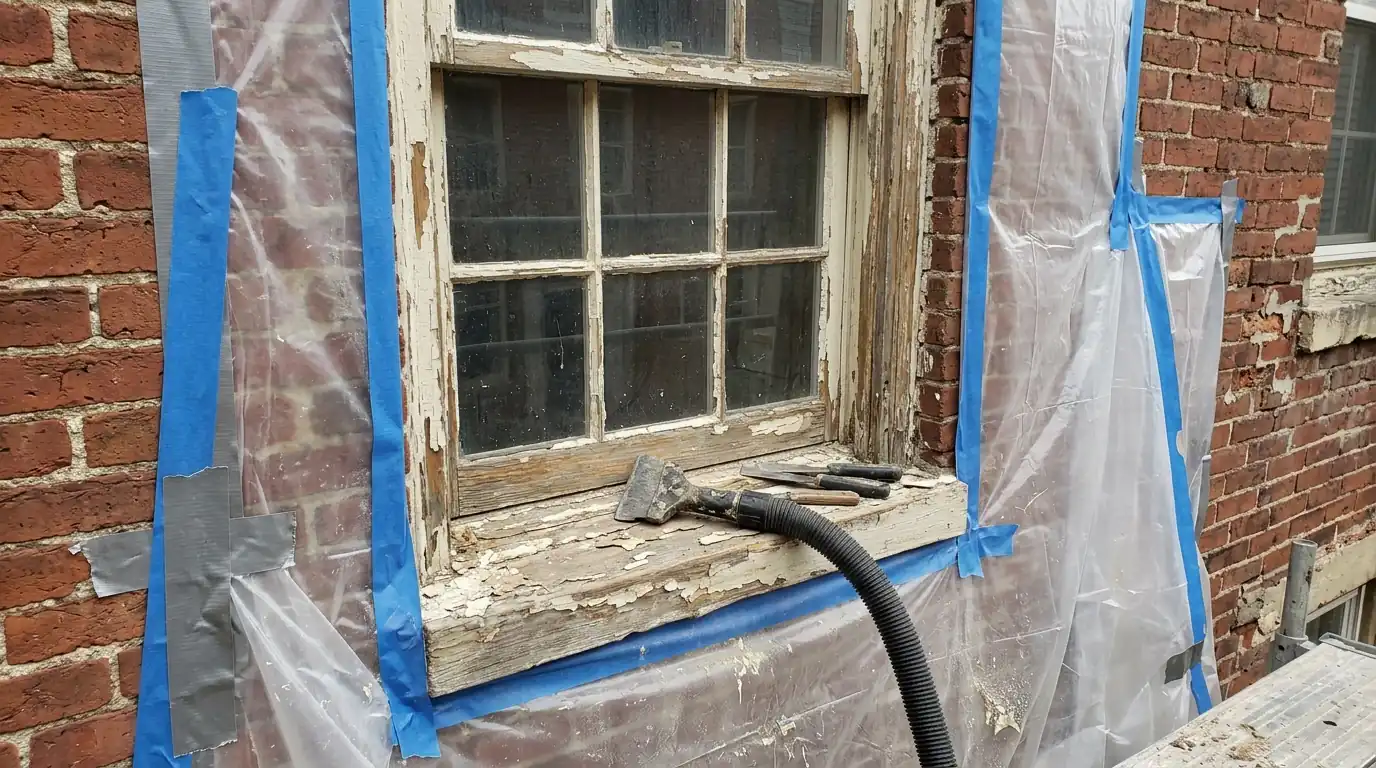
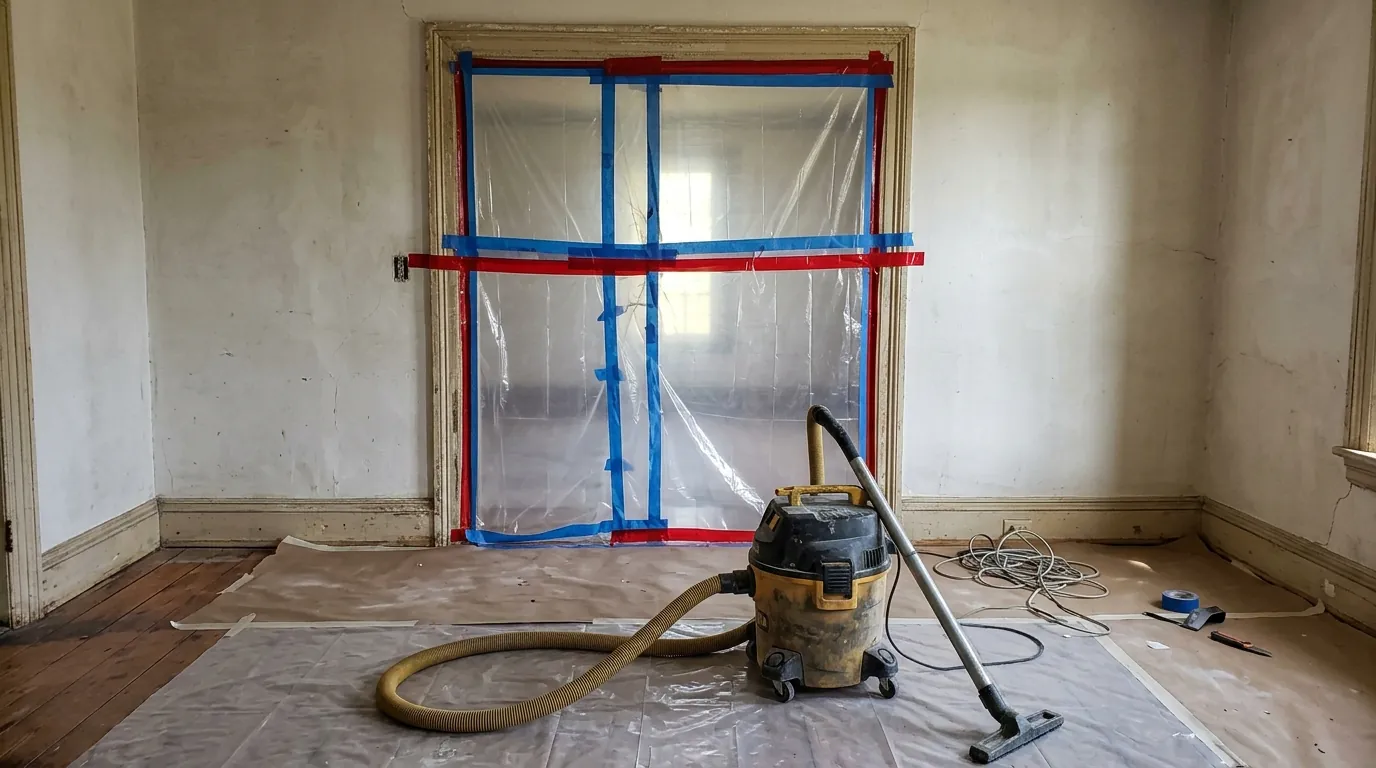
In practice, that means plastic sheeting on floors and doorways, warning signs, wet scraping instead of dry, HEPA vacuums, and sanders with HEPA dust collection. At the end, surfaces are wet-wiped and checked against a cleaning verification card. These steps take time and materials, which is why lead-safe work costs more than standard prep. Our lead-safe painting page explains how we set up a room, and we go over the containment plan during the walkthrough.
Testing your home for lead before painting starts
You have a few choices. EPA-recognized test kits give a quick yes or no on a specific surface, and painters often use them on trim, doors and windows during a walkthrough. For a full picture, a lead inspector can test with an XRF analyzer, which measures the lead in paint layers without removing them. That kind of inspection maps every surface in the house. A lead risk assessment goes further and checks dust and soil for hazards that already exist.
If you don't test, painters generally have to treat pre-1978 surfaces as if they contain lead. That's fine for many jobs. Testing makes sense when you want to know which rooms can skip containment, or when young children or someone pregnant lives in the house and you want a clear answer. If you're wondering what lead-safe prep does to a budget, our post on interior painting costs in Chester County covers how it shifts the price.
Windows, doors and porches: where lead causes the most trouble
Old double-hung windows are often the biggest source of lead dust in a house. Every time a sash slides, painted surfaces rub against the jamb and stops, grinding off fine dust that collects on the sill and in the well. Painting a window without dealing with that friction just restarts the cycle. When we work on older windows, we scrape and smooth the friction surfaces under containment and adjust stops so the sash moves without rubbing paint.
Doors that stick against their jambs, stair treads and porch floors behave the same way. Each is a friction or impact surface where paint wears into dust. Outside, the worst spots tend to be south and west facing trim, sills and porch railings, where sun and freeze-thaw cycles lift paint fastest. If you've got peeling paint on a pre-1978 porch, it's worth handling before another season of foot traffic. Our window and sash painting page has more on old sashes.
Living in the house while lead-safe painting is underway
Most families can stay home while we work room by room, as long as children and pets stay out of the contained area. Plan on that room being sealed off until cleanup is verified, usually at the end of the day or the end of a phase. Pregnant family members and children under six should keep well away from the work area. On larger exterior jobs with heavy scraping, many families keep windows closed and spend more time out of the house.
After the job, keep painted sills and floors clean with damp wiping rather than dry dusting. Check old windows and trim each spring for new chipping. If something starts to peel, don't sand it yourself. Lead paint isn't a reason to panic, but it rewards good habits and careful prep, and a few minutes of attention each season goes a long way.